
 UA
UA Payment by card
  Cryptocurrency payment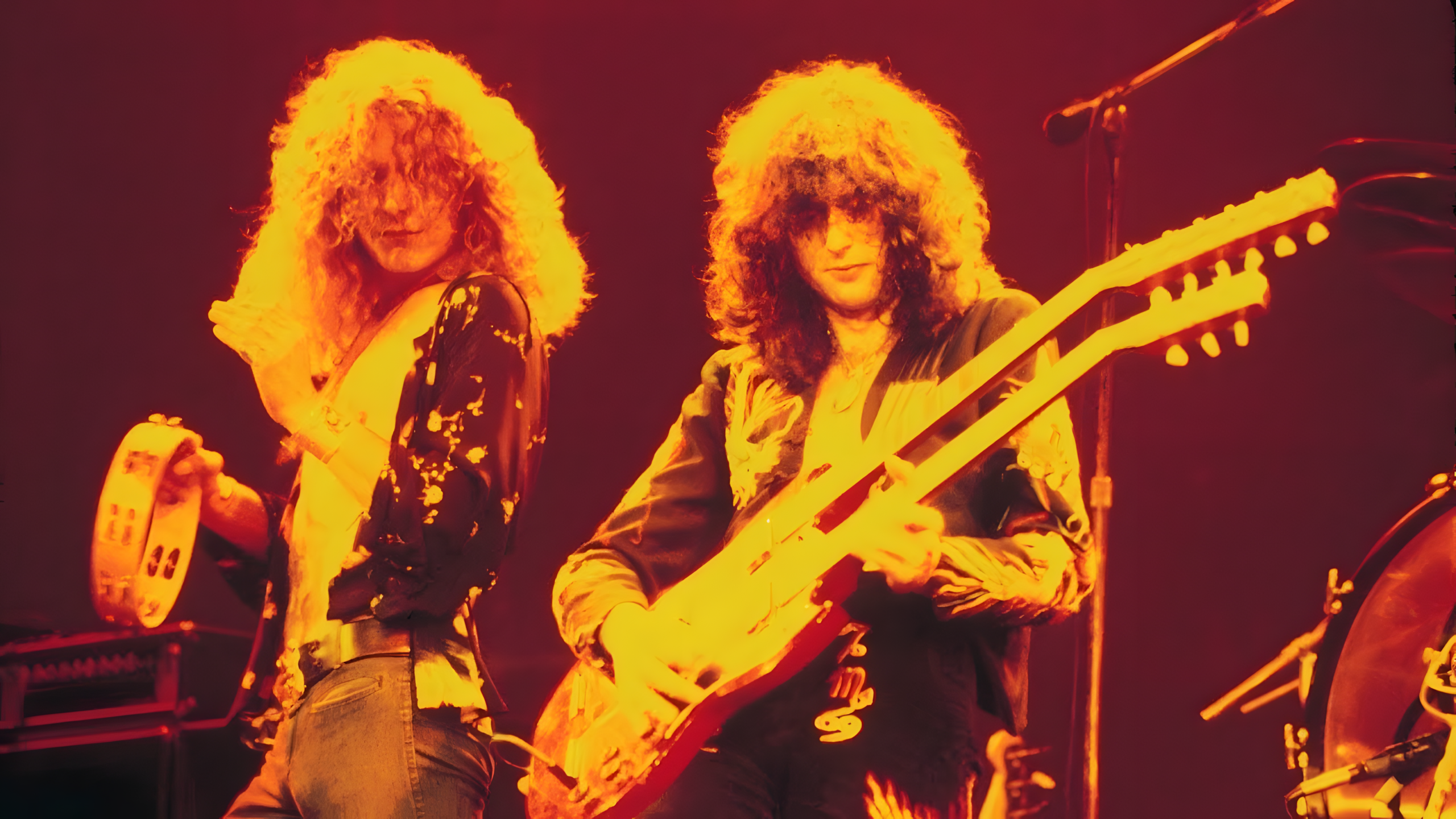
Key Musical Bands and Artists of Our Planet: Cultural Evolution and Impact on Society
Music has always been more than just a collection of sounds or rhythms. It has become a powerful tool that shapes our identity, influences social movements, and transforms the cultural landscape
Music has always been more than just a collection of sounds or rhythms. It has become a powerful tool that shapes our identity, influences social movements, and transforms the cultural landscape. Key musical bands and artists are not just performers; they are cultural icons whose creative achievements have influenced millions of people worldwide. In this article, we will explore how the history of music intertwines with social changes, how certain names became symbols of new eras, and why their influence is still felt today.
Historical Context and the Birth of Musical Revolutions
In the late 1950s and early 1960s, the world underwent significant social and cultural shifts, and music became the voice of change. Rock ‘n’ roll, which emerged during this period, not only entertained but also challenged societal norms. The youth sought new ways of self-expression, and music became a powerful tool for protest and individuality. This era saw the rise of bands that didn’t just create hits but reshaped the worldview of their listeners, paving the way for a new cultural consciousness.
Legendary Bands: Architects of a New Era
It is impossible to overstate the influence of bands like The Beatles and The Rolling Stones, which became symbols of the musical revolution. The Beatles, with their innovative approaches to composition and studio production, didn’t just create iconic hits like “Hey Jude” and “Let It Be”; they also inspired millions of listeners to search for new meanings in sound. Their work became a platform for experimentation, with their music acting as a mirror of societal change.
Meanwhile, The Rolling Stones brought rebellion and energy into music. Their tracks like (“I Can’t Get No) Satisfaction” and “Paint It, Black” became manifestos for a generation that rejected old, established rules and sought its own path. These bands became not only musical but cultural phenomena that influenced fashion, lifestyle, and even political consciousness.
Led Zeppelin is another example of a band that changed the definition of rock music. Their powerful sound and epic compositions, such as “Stairway to Heaven” and “Whole Lotta Love,” reflected a search for deeper emotional experiences, turning their work into a symbol of the unique aesthetic of heavy rock. These bands didn’t just set trends—they created new linguistic tools for expressing the inner world of a person.
Solo Artists: The Individual Voice in a Global Choir
In addition to bands, individual performers have made significant contributions to the development of musical culture. Michael Jackson, known as the “King of Pop,” not only redefined the concept of stage performance but also left an indelible mark with hits like “Thriller” and “Billie Jean.” His work became an example of how music can unite different cultures and generations, turning a personal vision into a global phenomenon.
Madonna changed the game by constantly transforming her image and experimenting with genres. Works like “Like a Virgin” and “Vogue” repeatedly redefined social stereotypes, giving a voice to women and sparking cultural discussions about self-expression and gender roles.
Elvis Presley, through his music, became a bridge between different musical traditions, creating a unique rock-and-roll style. Tracks like “Heartbreak Hotel” and “Jailhouse Rock” became symbols of an era that initiated a new direction in popular music and opened doors for future generations of performers.
We must also mention Bob Dylan and David Bowie—artists whose lyrics and musical experiments became symbols of social change and cultural exploration. Dylan’s songs, such as “Blowin’ in the Wind” and “The Times They Are A-Changin’ ” continue to inspire activists, while Bowie, with his constant metamorphoses, challenged established norms and contributed to the formation of a new aesthetic.
Modern Musical Trends and the Globalization of Sound
With the advent of the digital age, music has become more accessible, and its influence has grown increasingly global. Bands like Coldplay (“Yellow,” “Viva la Vida”) and Imagine Dragons (“Radioactive,” “Believer”) use modern technologies to create emotionally rich compositions that blend traditional pop-rock with innovative arrangements. BTS, a South Korean group, has taken the world by storm by combining contemporary pop with traditional Asian aesthetics, demonstrating how cultural boundaries are dissolving in the globalized world of music.
Today, music is characterized by the blending of genres and cultures. Performers not only create innovative sounds but also actively collaborate with peers from across the globe. For example, BTS merges K-pop, hip-hop, and electronic music, achieving worldwide success with hits like “Dynamite” and “Butter.” In the pop world, Billie Eilish stands out with her minimalist sound and provocative lyrics (e.g., “Bad Guy”), which resonate with young audiences around the globe.
In modern R&B and pop, The Weeknd, with tracks like “Blinding Lights” and “After Hours,” sets new standards for sound by combining retro vibes with modern electronics. Travis Scott and his song “Sicko Mode” showcase how rap successfully integrates electronic elements, creating a unique style that has influenced the global rap scene.
On the Latin front, Bad Bunny and Rosalía actively use elements of reggaeton, hip-hop, and traditional music, expanding the horizons of contemporary sound. Dua Lipa, Ariana Grande, and Post Malone also make major impacts on the global music market with hits that easily adapt to global trends. These artists demonstrate that modern trends are formed through direct exchanges of ideas between cultures, leading to the constant evolution and fusion of genres in the global music scene.
Rap as the Voice of Modern Society
Rap music has become one of the most influential forms of musical expression in recent decades. Starting from underground battles and street performances, the genre has grown into a global industry where every track reflects social issues, personal struggles, and political contradictions.
The first major innovator was Dr. Dre. He created classic beats like “Still D.R.E.” and “The Next Episode,” which not only became hits but also laid the foundation for modern rap. His work defined a new style of production that used live instruments, large-scale, “expensive” arrangements, and delegation of track responsibilities to specialized professionals. This approach influenced the further development of the genre, as other artists simply couldn’t compete with Dre’s productions.
After Dre, artists like Tupac Shakur and Eminem emerged on the rap scene. Tupac, with tracks like “California Love” and “Dear Mama,” highlighted issues of social inequality, economic hardships, and personal struggles, becoming the voice of millions dealing with life’s challenges. Eminem brought a mastery of rhyme and the ability to openly talk about personal conflicts with tracks like “Lose Yourself” and “Rap God.” His lyrics are marked by emotional depth and often tell of complex personal experiences, pushing the boundaries of traditional rap.
The next milestone was the rise of Jay-Z, who managed to turn personal stories into a global cultural phenomenon with hits like “Empire State of Mind” and “99 Problems.” Jay-Z didn’t just dominate the charts; he set new standards for commercial success in rap. His ability to combine business savvy with artistic expression opened new possibilities for rap as a powerful tool for social commentary.
Following the solid foundation laid by these figures, Kanye West emerged. With his innovations and experimental approach, songs like “Power,” “Black Skinhead,” and “Through the Wire” transformed rap into a platform for self-expression and social dialogue. Kanye integrated various musical styles—ranging from electronics and soul to classical music—creating compositions that challenged established norms and encouraged listeners to rethink the genre. His work expanded the boundaries of rap, making it more than just a voice for street battles but a platform for broad cultural and social expression.
Today, rap music is mainstream. From a genre that once served as cultural protest, hesitant to move beyond its “voice of the streets,” it has gradually evolved. Modern rap artists aren’t afraid to express their emotions, maintain bold styles, and use autotune. This has brought rap closer to the everyday person, helping it dominate the music industry.
Music as a Driver of Social Change
A common feature of all key musical bands and artists is that their work has always been closely tied to social processes. They not only entertained but also changed worldviews, formed subcultures, and inspired listeners to search for their own identity. Music has become an integral part of activism, fashion, and even political campaigns, creating new symbols and archetypes of modernity.
History shows that music has the power to unite people, break cultural barriers, and stimulate social initiatives. From rock revolutions to modern rap battles, every era has left a unique mark that is still felt in our everyday lives.
Conclusion
The key musical bands and artists of our planet are architects of cultural change, trendsetters, and bearers of ideas that influence society as a whole. Their work, from classic compositions to modern hits, tells the story of the evolution of our world, reflects social contradictions, and inspires new quests. Regardless of the genre—be it rock, pop, or rap—music remains a powerful tool for self-expression and a driver of change that continues to unite people in a global cultural community.
Today, with the boundaries between genres fading and technologies allowing instant sharing of creativity worldwide, the influence of musical icons only continues to grow. They have become the voice of our time, embodying the quest for freedom, innovation, and most importantly, human unity.